
Karen Horney on Psychoanalytic Technique
In 1952, shortly before her death, Karen Horney taught a course entitled “Psychoanalytic Therapy” at the American Institute for Psychoanalysis.
Horney believed that each analyst had to develop their own way of conducting an analysis while maintaining essential elements of analytic technique. She described these as focusing Zen-like attention on the analyst’s and patient’s experience, encouraging free association, using psychoanalytic means to understand the patient, analyzing difficulties and defenses, and stressing the importance of emotional experience. Each of these topics took up one or more of the classes and were recorded.
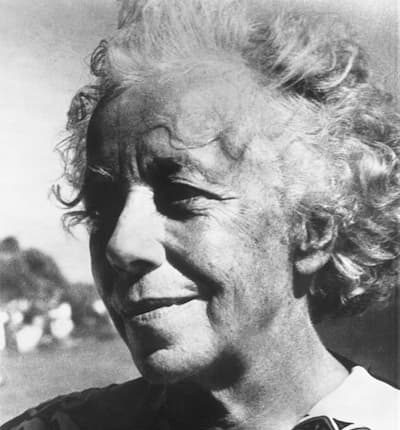
The lectures were published in a book “Final Lectures” edited by Douglas Ingram M.D. and can be read in their entirety. Listening to the recordings, however, brings you into the room with Horney. You can feel her presence. What strikes you first is her German accent and flawed English but soon you are drawn in by the tone of her voice, clarity of presentation, humanness, and her wholehearted commitment to her patients and to the process of psychoanalysis.
In the first lecture entitled “The Quality of the Analysts Attention,” Horney describes a mode of attentiveness, of listening, that is the foundation for all analytic work. This requires wholehearted absorption and concentration on the work, and openness to all of the analyst’s and patient’s emotional experience. This facilitates an in-depth understanding of the patient and the analytic relationship and makes the analysis come alive. Finally, the analyst’s attention should be productive, providing clarity and insight into the patient’s difficulties. This summary only touches the surface of the range and depth of her thinking and analytic wisdom. Analysts of all levels of experience will find these lectures helpful in their work with patients and worthwhile additions to their understanding of analytic technique and therapeutic action.
Bibliography:
The Final Lectures
The Quality of the Analyst's Attention
In the introduction to the lecture The Quality of the Analyst’s Attention, Karen Horney makes the point that the lectures in her course are not meant to teach technique. She says:
“Technique can only be thought to a limited extent because ultimately technique depends on the inner freedom, ingenuity, and finger-tip feelings. … These components can be stimulated, helped a little. But they cannot be taught.”
Talking about the analyst’s attentiveness to the patient. Horney outlines three categories of attentiveness:
- wholeheartedness
- comprehensiveness
- productiveness
“Wholeheartedness of attention means being there altogether in the service of the patient, yet with a kind of self-forgetfulness. Another aspect of wholehearted attention is unlimited receptivity, letting everything sink in…this kind of concentration involves your feelings and is not just cold detached observation.”
“Comprehensiveness of observation – let everything sink in without selecting or interpreting too early, even including your own feelings. Otherwise, you might miss out on something. Factors interfering with comprehension – “personal blind spots”, “interpreting too early”, and “analyst’s need to know and understand everything quickly”. Comprehensiveness of attention includes noticing “the patient attitudes toward his problems”. “Does the patient want to perpetuate something or really wants to fight through his difficulties?”
The productivity of the analyst’s attention – “If you try to train yourself to be altogether and wholehearted, the session will become more meaningful. It is then that you get productive: something is meaningful….If you are wholehearted and allow your faculties to work, they will set to work and do something: they will be productive…….At times, something will set you thinking. But there is, prototypically, a goings-on which leads toward something falling in line, something being ordered, a connection becoming clear, or at least a pertinent question coming up.”
“There are so many ways of learning technique for doing good therapeutic work. Foremost among these is training ourselves, all of ourselves, to pay attention wholeheartedly”.